Serving Bloomington & Southern IndianaCall (812) 327-9331
Behavior Modification

Dog Behavior Modification in Bloomington & Southern Indiana

Serious or persistent dog behavior problems can affect nearly every part of your life. You may avoid taking your dog places. Walks may become stressful. Visitors may create anxiety. You may feel frustrated because you've tried multiple solutions without seeing lasting improvement.

Our goal is to help you understand what's happening, improve communication, and create practical strategies for making everyday life safer, calmer, and more enjoyable.

Challenging Dog Behaviors

Challenging Dog Behaviors We Address

Every dog and situation is different, but behavior modification may be appropriate for dogs experiencing:

We begin by evaluating the individual dog rather than simply attaching a label to the behavior.

AggressionLeash reactivityDog-to-dog reactivityFearResource guardingExcessive barkingLungingJumpingOverexcitementPoor impulse controlAnxiety-related behaviorsDestructive behaviorChewingDiggingDisobedienceHousehold behavior problemsDifficulty around visitorsDifficulty around other dogsPoor leash behavior
Reactivity

Reactive Dog Training

Reactive dogs may bark, lunge, growl, pull, or become extremely excited when exposed to certain triggers. Common triggers can include other dogs, strangers, visitors, vehicles, people passing the home, sounds, doorbells, movement, and unfamiliar environments.

Reactivity doesn't look exactly the same in every dog. Our first step is understanding what triggers the reaction and what happens immediately before, during, and after the behavior. Then we can develop a training plan to help improve communication, owner control, and the dog's response.
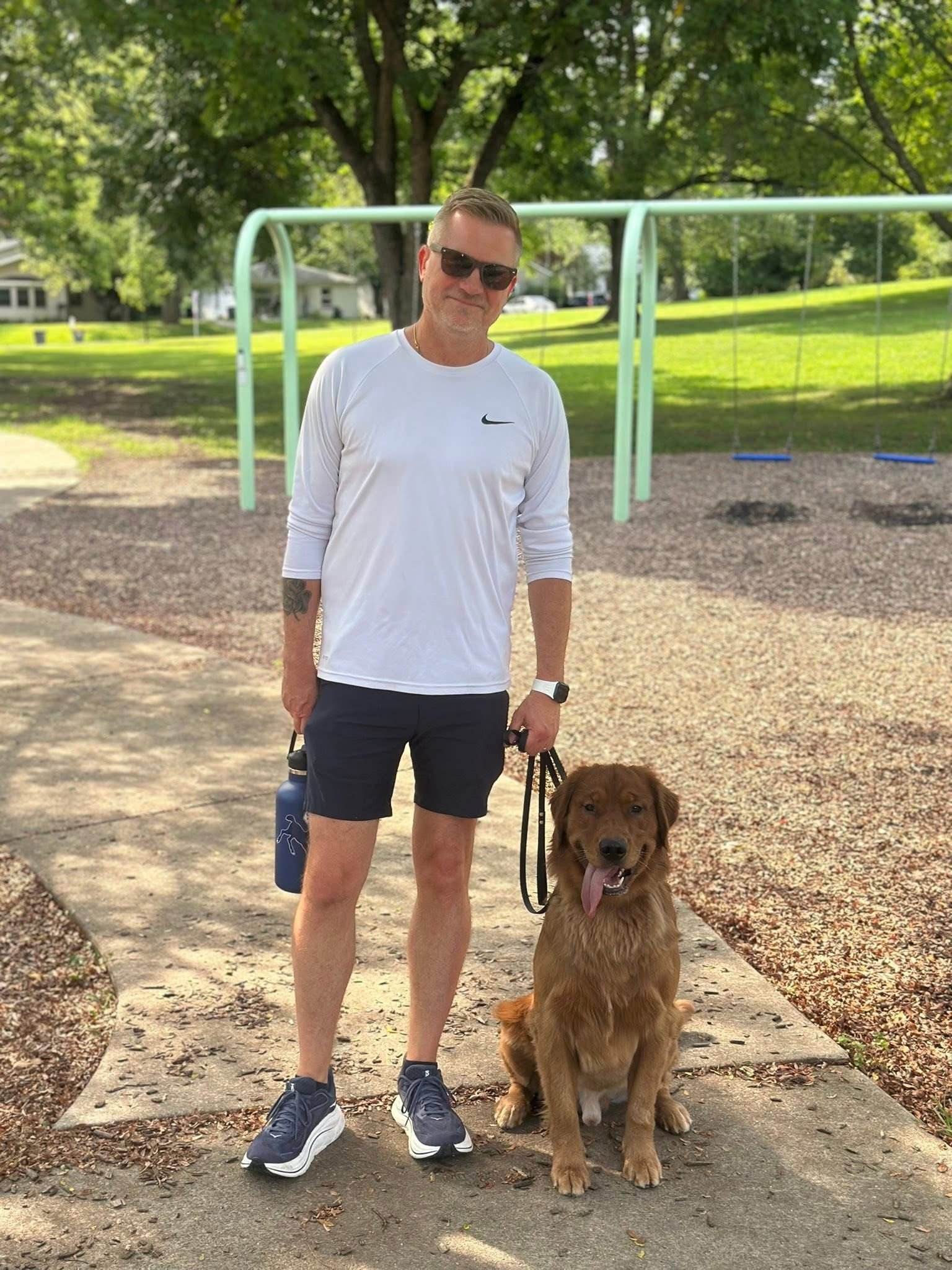
Leash reactivity work in a calm outdoor setting
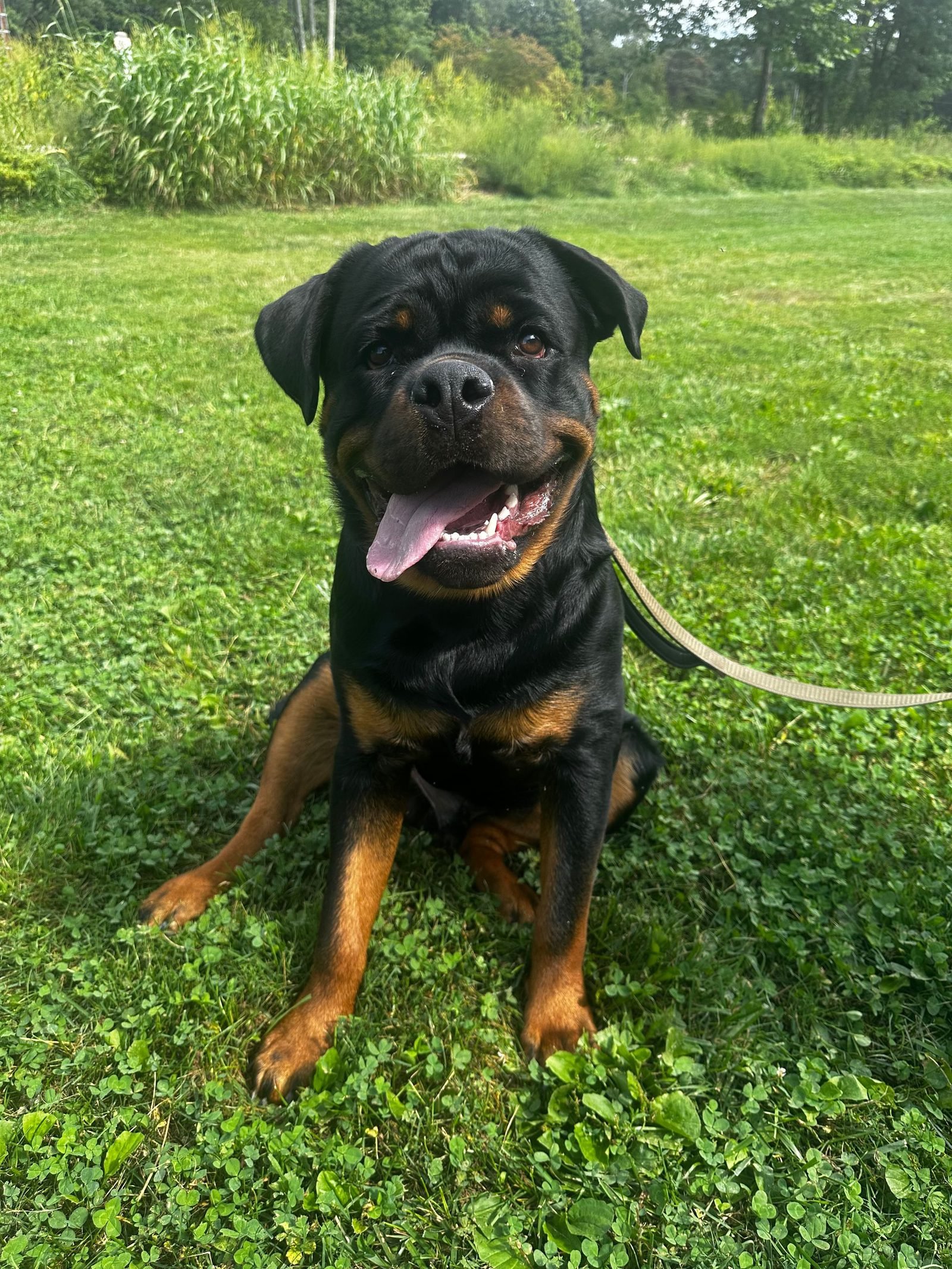
Careful evaluation session with a strong adult dog
Aggression

Aggressive Dog Training

Aggressive behavior can be intimidating and stressful. It may involve growling, lunging, snapping, guarding, biting behavior, aggression toward other dogs, aggression toward strangers, aggression around food or objects, or aggression in specific environments.

Aggression should not be approached with a generic solution. We evaluate the dog, the environment, the triggers, the history, and the family's goals before developing a training strategy. The objective is to help owners better understand and manage their dogs while working toward safer, more appropriate behavior.

Resource Guarding

Some dogs become defensive around items they value: food, food bowls, bones, toys, furniture, sleeping areas, people, or objects found around the home. Resource guarding may involve stiff body language, growling, snapping, avoidance, or aggressive behavior. Our training focuses on helping owners understand the behavior and develop clearer, safer interactions with their dog.

Fearful Dog Training

Fear can affect a dog's behavior in many different ways. Some fearful dogs hide or shut down. Others bark, lunge, growl, or try to escape. Behavior modification should consider the emotional state of the dog rather than simply trying to suppress what the owner sees. We'll help you better understand your dog's responses and build a practical plan for creating greater confidence and predictability.

Excessive Barking

Dogs bark for many different reasons. They may be alerting, excited, frustrated, fearful, bored, seeking attention, reacting to movement, responding to visitors, or guarding their environment. Before trying to stop the barking, it's important to understand why the barking occurs. Once we understand the pattern, we can help establish clearer expectations.

Jumping & Overexcitement

Excitement can become frustrating when your dog loses all self-control: jumping on guests, barking when people arrive, running through doors, pulling toward people, spinning or pacing, difficulty settling, ignoring commands when excited. We help dogs develop greater impulse control while teaching owners how to create clearer expectations around exciting situations.

Why In-Home Behavior Training Matters

Behavior problems frequently depend on the environment. Your dog may behave one way at a training facility and completely differently at home. Working in the environment where the behavior occurs allows us to see important details. We can observe: environmental triggers, household routines, family interactions, door behavior, neighborhood walks, visitor interactions, household boundaries, and communication between dog and owner.

We Begin With the Dog

Behavior Modification Is Not One-Size-Fits-All

Two dogs may bark at another dog for completely different reasons. Two dogs may guard food for different reasons. Two dogs may lunge on leash but require very different approaches. That's why Hoosier Pup doesn't begin with a predetermined program. We begin with the dog.

We'll consider:

Behavior historyEnvironmentPrevious trainingTriggersPersonalityConfidenceDaily routineOwner responseFamily goals

Then we'll build the training plan around that information.

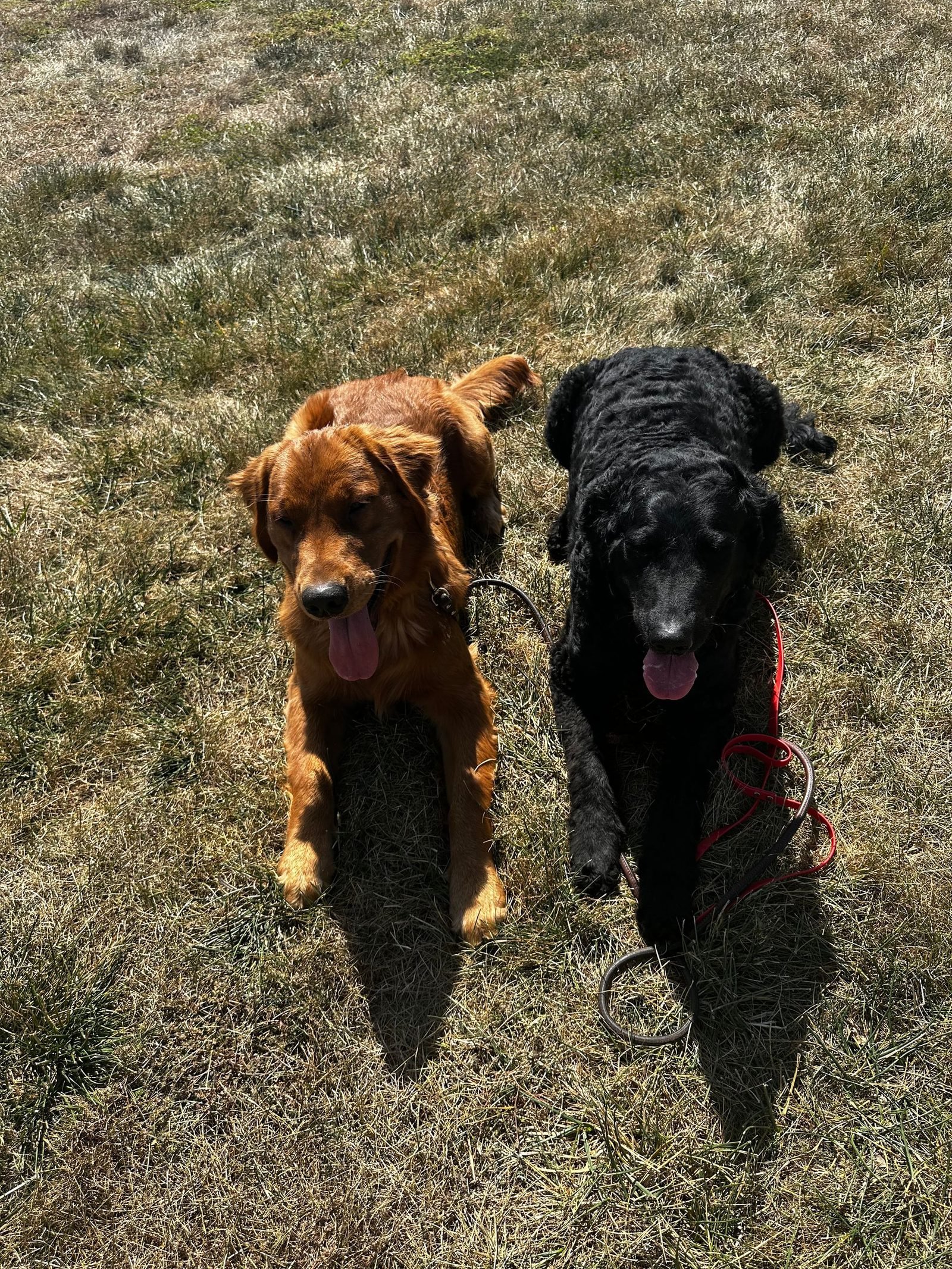
Two very different dogs, each with their own training plan
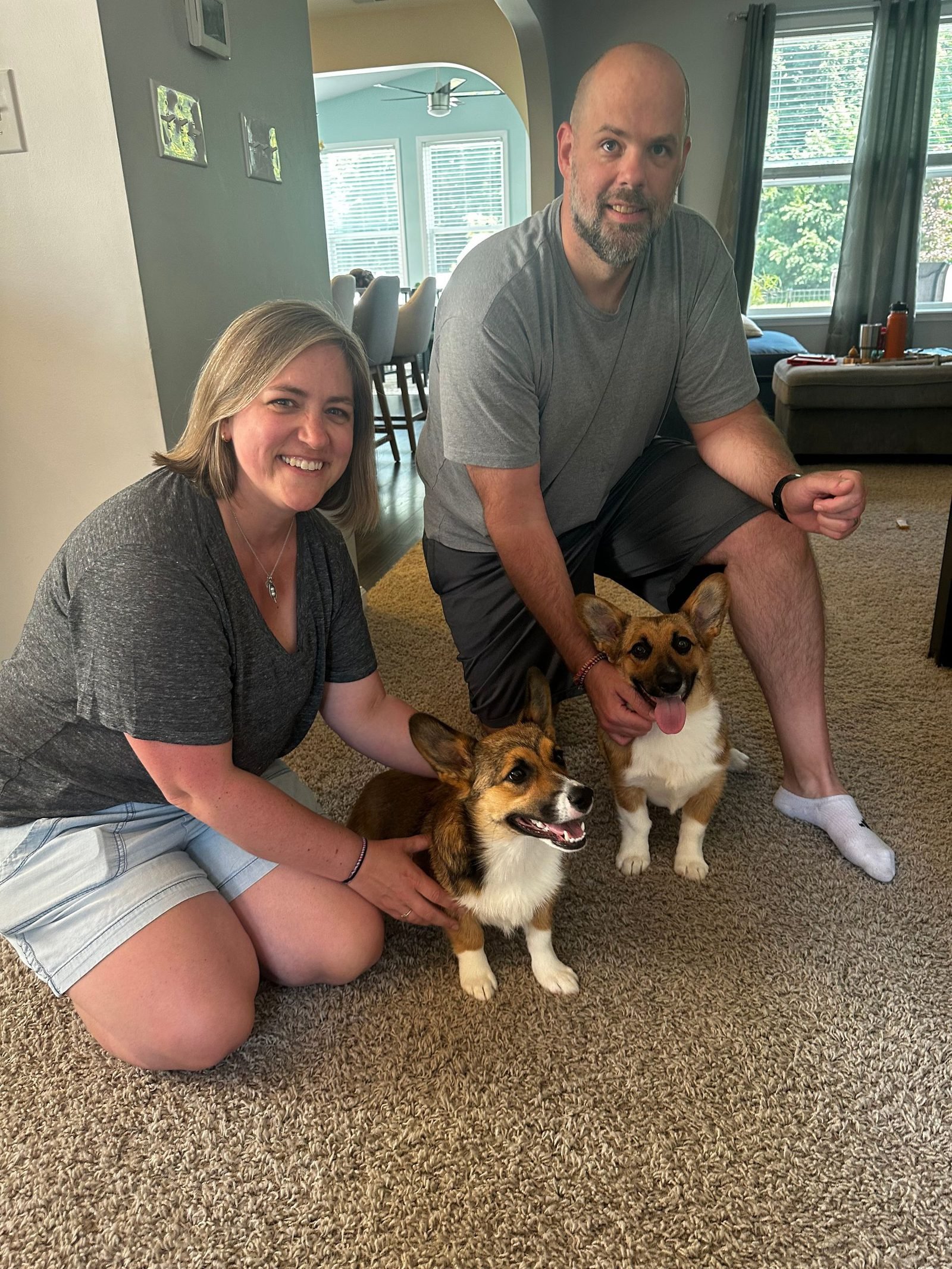
Owners learning how to handle their dogs confidently
Practical Guidance

Helping Owners Feel More Confident

Challenging behavior can leave owners feeling unsure. You may constantly wonder: Should I correct this? Should I ignore it? Should I avoid the situation? Am I making things worse? What should I do when this happens again?

Our goal is to give you practical guidance so you feel more confident handling your dog. You should understand not only what to do but why you're doing it.

Don't wait for a behavior problem to get worse. Repeated behavior can become an established pattern. Getting help sooner gives you an opportunity to understand the problem and develop a plan before frustration increases.

Schedule Your Free In-Home Evaluation

You don't need to know exactly what kind of behavior problem your dog has. That's what the evaluation is designed to help determine. We'll meet your dog, learn about your concerns, discuss your goals, and determine the appropriate next steps.